1. Rich in Protein:
Quality meat is a primary source of complete protein, containing all nine essential amino acids required for proper body function. Protein is essential for muscle repair, growth, and the production of enzymes and hormones, and plays a vital role in maintaining healthy body tissues.
2. Abundance of Essential Nutrients:
Meat, especially red meat, is a powerhouse of essential nutrients, including iron, zinc, vitamin B12, and omega-3 fatty acids. Iron is essential for oxygen transport in the blood, zinc supports immune system function, vitamin B12 aids in nerve function and red blood cell formation, and omega-3 fatty acids promote heart health and cognitive function.
3. Quality Protein for Muscle Maintenance:
For those looking to build or maintain muscle mass, high-quality meat offers an excellent protein source compared to plant-based options. The presence of all essential amino acids in meat supports muscle maintenance and recovery after physical activity.
4. Enhanced Nutrient Absorption:
Meat contains heme iron, a type of iron that is easily absorbed by the body. Consuming meat alongside plant-based iron sources can improve the absorption of non-heme iron, found in vegetables and grains, and helps prevent iron deficiency.
5. Satiety and Weight Management:
The high protein content in meat contributes to increased feelings of fullness and satiety. Incorporating high-quality meat into your meals can help regulate appetite and may lead to better weight management and reduced cravings for problematic foods.
6. Support for Bone Health:
Red meat, in particular, contains essential nutrients such as phosphorus, zinc, and magnesium, which contribute to bone health and help prevent osteoporosis.
7. Brain Health and Cognitive Function:
The presence of vitamin B12 and omega-3 fatty acids in meat supports brain health and cognitive function. These nutrients are essential for memory, concentration, and overall brain health.
8. Support for Immune Function:
Zinc, found abundantly in quality meat, plays a significant role in maintaining a healthy immune system. It aids in the production of immune cells and supports the body’s defense against infections and diseases.
9. Heart Health:
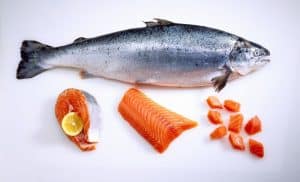
When consumed as part of a balanced diet, lean, quality meat can contribute to heart health. Omega-3 fatty acids in fish, for example, have been linked to reduced risk of heart disease.
10. Energizing and Nourishing:
Meat provides a quick and efficient energy source thanks to its rich nutritional profile. Incorporating quality meat into your diet can leave you feeling energized and invigorated.
As with any dietary choice, balance and moderation are key. When incorporating quality meat into your diet, choose lean cuts and combine them with a variety of fruits, vegetables, and whole grains. By doing so, you can reap the full health benefits that meat has to offer, support overall well-being, and maintain a vibrant and active lifestyle.